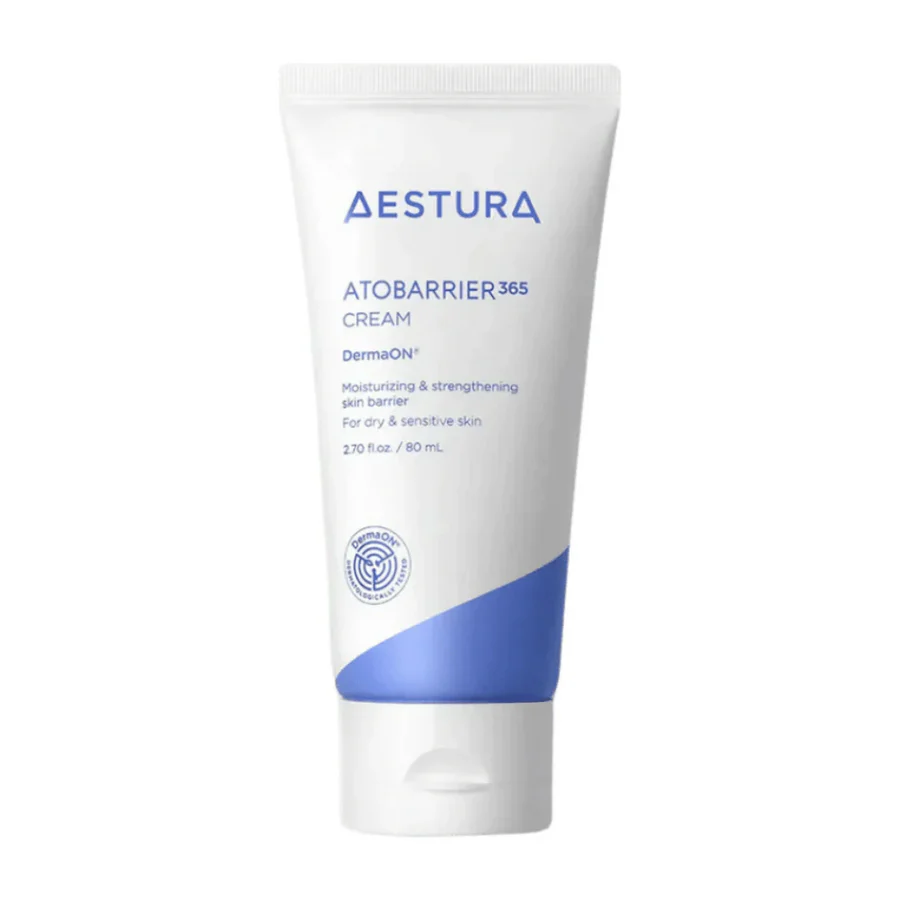
Aestura Atobarrier 365 Cream

    Aestura Atobarrier 365 Cream

    SAFE - Excellent
    (9/10)

    Complete ingredient analysis for Aestura Atobarrier 365 Cream. Get detailed safety ratings, benefits, and concerns for every ingredient.

    Aestura
    Ingredient Analysis
    aestura
    atobarrier 365 cream
    ingredient analysis

    Full INCI (as provided by producer)

    Water, Glycerin, Butylene Glycol, Butylene Glycol Dicaprylate/Dicaprate, Niacinamide, Hydrogenated Poly(C6-14 Olefin), Cetearyl Alcohol, Ceramide NP, Ceramide AP, Ceramide EOP, Cholesterol, Phytosphingosine, Sodium Hyaluronate, Caprylic/Capric Triglyceride, Dimethicone, Polyglyceryl-3 Methylglucose Distearate, Hydrogenated Lecithin, PEG-60 Hydrogenated Castor Oil, Tocopherol, Allantoin, Carbomer, Tromethamine, Ethylhexylglycerin, Adenosine, Disodium EDTA, Sodium Lauroyl Lactylate, Sodium Citrate, Citric Acid, Sodium Hydroxide, 1,2-Hexanediol, Caprylyl Glycol, Hexylene Glycol, Beta-Glucan, Madecassoside, Panthenol, Ceramide NS, Ceramide AS, Ceramide NP, Ceramide AP, Ceramide EOP, Cholesterol, Phytosphingosine

    Overall Analysis

    Overall Safety: SAFE
    35
    Ingredients
    0
    Beneficial
    0
    Concerning
    9/10
    Safety Score

    Detailed Ingredient Analysis

    Water
    solvent

    Primary solvent in cosmetics, purified water dissolves other ingredients and provides hydration support without clogging pores.

    Benefits: dissolves water-soluble ingredients, hydrates skin indirectly, stabilizes formula
    Glycerin
    humectant, moisturizer

    A natural humectant that draws water into the skin, glycerin enhances hydration and helps maintain a healthy skin barrier.

    Benefits: attracts moisture to skin, improves skin hydration, supports skin barrier function
    Butylene Glycol
    solvent, humectant, penetration enhancer

    A multifunctional solvent and humectant that improves product texture and helps other ingredients penetrate the skin.

    Benefits: improves ingredient absorption, adds moisture, improves texture and spreadability
    Concerns: may cause irritation in very sensitive skin
    Butylene Glycol Dicaprylate/Dicaprate
    emollient

    An emollient ester that provides lightweight moisturization and a smooth skin feel without heaviness.

    Benefits: softens and smooths skin, improves skin feel, non-greasy moisturizing
    Niacinamide
    skin brightener, anti-inflammatory, barrier support

    A form of vitamin B3 that brightens skin, reduces redness, and enhances barrier function, widely used for acne and aging skin.

    Benefits: reduces hyperpigmentation, improves skin texture, strengthens skin barrier
    Concerns: may cause mild irritation in sensitive skin at high concentrations
    Hydrogenated Poly(C6-14 Olefin)
    emollient

    A synthetic emollient that softens skin and enhances the sensory feel of the product.

    Benefits: provides skin conditioning, improves texture, non-greasy moisturization
    Cetearyl Alcohol
    emollient, emulsifier, thickener

    A fatty alcohol that acts as an emollient and stabilizer, providing moisturizing properties and creamy texture.

    Benefits: moisturizes skin, stabilizes emulsions, improves texture
    Concerns: may cause irritation in very sensitive skin
    Ceramide NP
    skin barrier lipid, moisturizer

    A key skin lipid that replenishes the natural ceramide content of the skin, strengthening the barrier and hydration.

    Benefits: restores skin barrier, prevents moisture loss, improves skin elasticity
    Ceramide AP
    skin barrier lipid, moisturizer

    A ceramide that mimics natural skin lipids to reinforce the barrier and improve hydration.

    Benefits: supports barrier repair, locks in moisture, reduces dryness
    Ceramide EOP
    skin barrier lipid, moisturizer

    A ceramide essential for maintaining skin barrier integrity and moisture retention.

    Benefits: enhances barrier function, prevents transepidermal water loss, improves skin texture
    Cholesterol
    skin lipid, barrier repair

    A natural skin lipid that works synergistically with ceramides to repair and maintain the skin barrier.

    Benefits: restores skin lipids, improves barrier function, supports skin elasticity
    Phytosphingosine
    skin lipid, anti-inflammatory

    A lipid molecule that helps reduce skin inflammation and supports the natural barrier function.

    Benefits: reduces inflammation, supports barrier repair, antimicrobial properties
    Sodium Hyaluronate
    humectant, moisturizer

    The salt form of hyaluronic acid, it attracts and retains water in the skin, providing long-lasting hydration.

    Benefits: deep hydration, plumps skin, improves elasticity
    Caprylic/Capric Triglyceride
    emollient

    An emollient derived from coconut oil and glycerin that softens skin and enhances product spreadability.

    Benefits: moisturizes skin, improves texture, non-greasy feel
    Dimethicone
    emollient, skin protectant

    A silicone-based polymer that creates a breathable barrier on skin, improving texture and preventing water loss.

    Benefits: forms protective barrier, smooths skin, prevents moisture loss
    Concerns: may cause mild occlusion in very acne-prone skin
    Polyglyceryl-3 Methylglucose Distearate
    emulsifier

    A mild emulsifier that helps blend oil and water phases, enhancing product stability and feel.

    Benefits: stabilizes emulsions, improves texture, mild and skin-friendly
    Hydrogenated Lecithin
    emollient, skin conditioning

    A phospholipid that supports skin barrier repair and enhances delivery of active ingredients.

    Benefits: improves skin barrier, enhances penetration, moisturizes skin
    PEG-60 Hydrogenated Castor Oil
    emulsifier, surfactant

    A polyethylene glycol derivative used as an emulsifier; generally safe but may cause irritation in sensitive skin.

    Benefits: helps mix oil and water, improves product texture
    Concerns: potential mild irritation, PEG compounds may have impurities
    Tocopherol
    antioxidant

    Vitamin E, a potent antioxidant that protects skin from oxidative damage and supports barrier health.

    Benefits: protects skin from free radicals, anti-aging, supports skin repair
    Allantoin
    skin protectant, soothing agent

    A soothing ingredient that promotes skin repair and reduces irritation.

    Benefits: calms irritation, promotes healing, moisturizes skin
    Carbomer
    thickener, stabilizer

    A synthetic polymer used to thicken and stabilize cosmetic formulations.

    Benefits: controls viscosity, stabilizes formula
    Tromethamine
    pH adjuster

    An ingredient used to adjust and maintain the pH of cosmetic products.

    Benefits: balances product pH, improves stability
    Ethylhexylglycerin
    preservative enhancer, skin conditioning

    A mild preservative booster and skin conditioning agent that enhances product safety.

    Benefits: boosts preservative efficacy, mild antimicrobial, conditions skin
    Adenosine
    anti-aging, skin-soothing

    A nucleotide that promotes anti-wrinkle effects and soothes skin inflammation.

    Benefits: reduces wrinkles, improves skin smoothness, calms skin
    Disodium EDTA
    chelating agent

    A chelating agent that improves product stability by binding metal ions.

    Benefits: stabilizes formula, binds metal ions
    Sodium Lauroyl Lactylate
    emulsifier, surfactant

    A mild surfactant and emulsifier that helps blend ingredients and gently cleanse skin.

    Benefits: mild cleansing, improves texture
    Concerns: may irritate very sensitive skin
    Sodium Citrate
    pH adjuster, buffering agent

    A buffering agent used to maintain product pH and stability.

    Benefits: stabilizes pH, improves product safety
    Citric Acid
    pH adjuster, exfoliant

    An alpha hydroxy acid that adjusts pH and provides gentle exfoliation.

    Benefits: adjusts pH, mild exfoliation, antioxidant
    Concerns: may cause irritation in sensitive skin
    Sodium Hydroxide
    pH adjuster

    A strong pH adjuster used in small amounts to maintain formula stability.

    Benefits: balances pH
    Concerns: high concentrations can irritate
    1,2-Hexanediol
    preservative, humectant

    A multifunctional ingredient that acts as a preservative and moisturizer.

    Benefits: antimicrobial, moisturizes skin
    Caprylyl Glycol
    skin conditioning, preservative booster

    A skin conditioning agent that also boosts preservative performance.

    Benefits: moisturizes skin, enhances preservative efficacy
    Hexylene Glycol
    solvent, viscosity agent

    A solvent and viscosity controlling agent that improves product feel.

    Benefits: improves texture, helps dissolve ingredients
    Concerns: may cause mild irritation in sensitive skin
    Beta-Glucan
    skin soothing, moisturizing

    A polysaccharide that soothes skin, enhances moisture retention, and supports barrier health.

    Benefits: calms inflammation, boosts hydration, supports barrier repair
    Madecassoside
    anti-inflammatory, skin repair

    A compound derived from Centella asiatica that calms inflammation and supports skin regeneration.

    Benefits: reduces redness, promotes healing, antioxidant

    Want to analyze another product?

    Use our INCI checker to get detailed ingredient analysis for any skincare product.

    Need a complete skincare routine?

    Try the Routine Creator →
    MySkinRoutine Logo

    MySkinRoutine ⎜ Skincare Routine Creator ⎜ INCI Checker

    © 2025 - MySkinRoutine. All Rights Reserved